Managing Uncomfortable feelings
Often in music therapy, it’s the positive outcomes we are looking for. Music therapy is the use of music for a non-musical therapeutic outcome to benefit a person’s personal goals. Music therapy does work, I’ve seen it over and over again, yet getting to the beneficial client outcomes does not always take a straight forward path. There are twists and turns, good days and not so good days. As a music therapist, I have to let go of the expectation that each session is going to hit a “certain” mark towards wellness. Therapy itself is a container for a person to be able to work through challenges while working towards their goals. The expectation often is misconstrued where music is going to suddenly make a person feel better or even heal them on the spot. It’s more nuanced than this and there are moments within therapy I assess to know if the chosen neurologic music therapy application is working towards the person’s goals. This is how I am trained to do so and it takes a trained eye and knowledge to see these progressions. However, there are days over the course of therapy that look like nothing is working, and that’s okay.

For example, often with my work with children, who come with various diagnoses, they need time over several weeks for them to fall into a routine for their music therapy. Sometimes the assessment process looks different from even what their expectation (known or unknown) may be, or even the parent’s expectation. The child may roam around the room, act out, test boundaries, and show some resistance trying a new instrument or learning a song. It’s not that they don’t like music but often communicating needs and desires are part of why they have come to music therapy. During this period of time, the Music Therapist is watching for what motivates them, musically or non-musically, and looking for where the teachable moments are to enact communication through therapy.
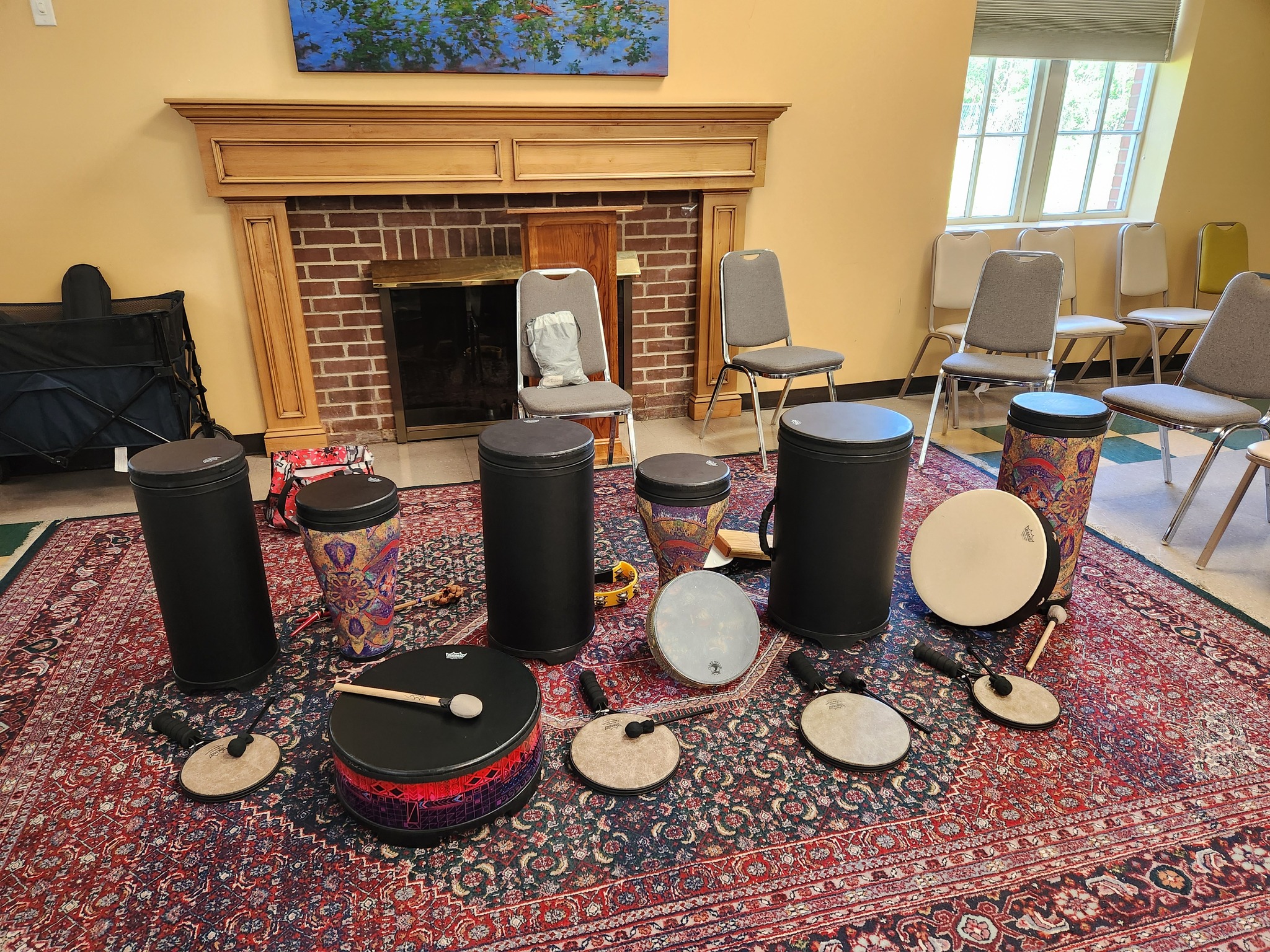
Sometimes making music feels different from everyday life. I work with a Recovery group of adults once a week where I may only see a person once or twice in their four week stay at the facility. As a music therapist, I have learned to acknowledge the awkwardness of playing a drum for someone who has never played a drum before. Drumming is a part of creativity they are tapping into that will help them get into a different and possibly unknown side of play and release. Creative thinking helps integrate their goals into their recovery processes. One of the goals of this group is to be empowered by doing something they have never done before. We can try new things and new ways of thinking and thus, translate change and new ways of thinking into facing life’s challenges.
Moments of transition can sneak up on us and even as therapy progresses, new challenges come up and one must look at it in a different way. Once, after several years of working with a client for stroke recovery, a sickness brought on a swift decline of her physicality and her memory. She had to make a move first to assisted care, and then to memory care in her residential community. Each week during these transitions, it was hard for her to focus and our usual protocol became no longer relevant. Making space to either sing for her or have her just sing along became a goal to help her get into a better frame of mind. For a few weeks, I played a rain stick for some calm sensory input. As a result, the music therapy left her calmer and ready to feel settled in her new living space.
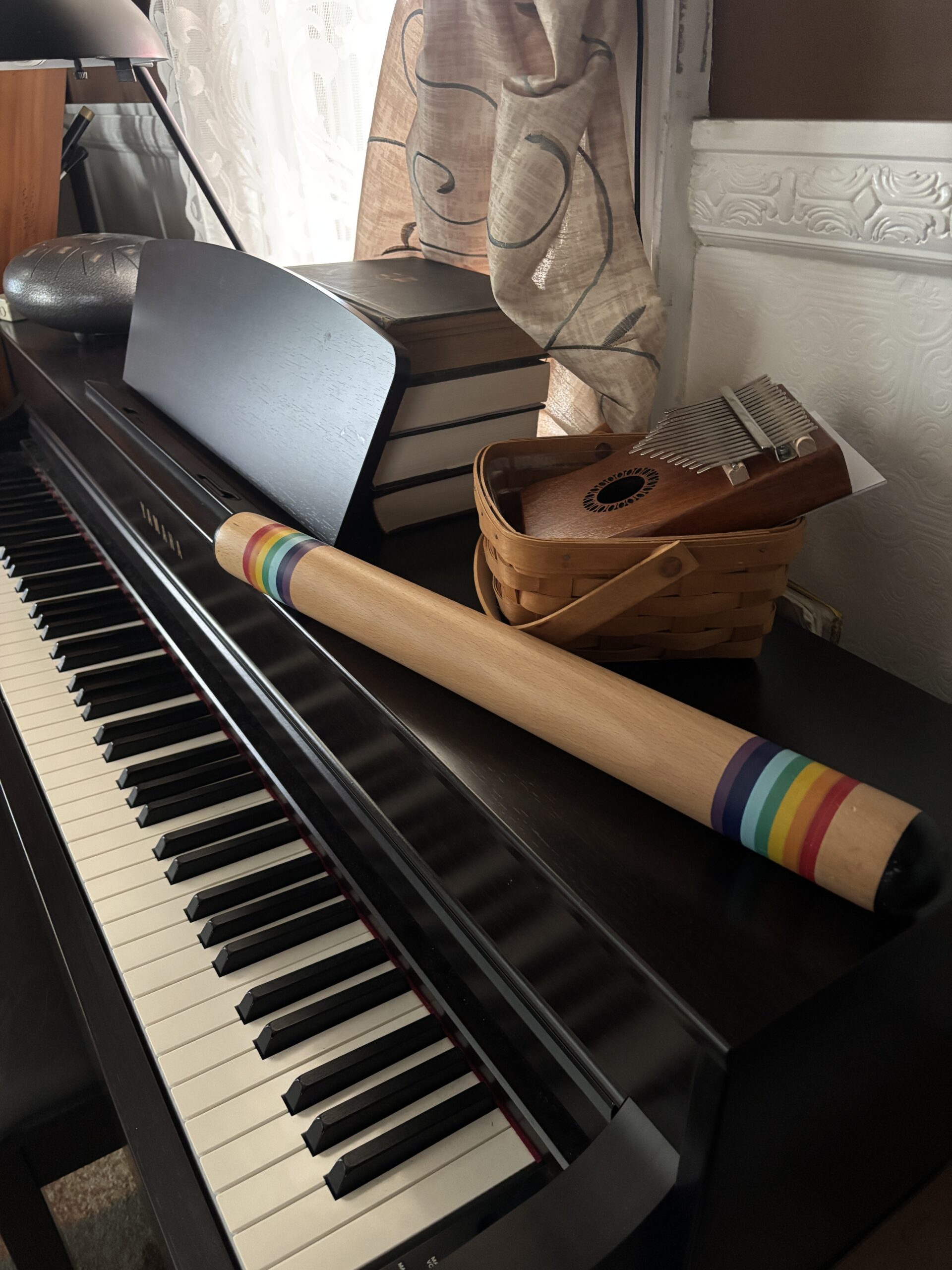
Music therapy supports emotional regulation and lifts mood and navigating the difficult emotions are part of therapy. Afterall, songs have been written over the ages about great moments of sorrow as well as great moments of joy. Both emotions and everything in between are valid.
Key points to remember during difficult moments in music therapy:
- Emotions sometimes are like thunderstorms, they bring hard rain but often pass after the heaviest of the shower.
- A music therapist will sometimes allow these emotions to play out as long as the person experiencing the difficult emotions is safe from harm or harming others, and often they need to be reminded they are safe.
- Music therapy just like other forms of therapy takes time and even if one goal is achieved another may come to light to then need to be worked through to further work towards life skills and emotional regulation.
- The Music therapy room is a container to creativity to express oneself without judgement and the hope is the transfer into navigating life outside of therapy.
Next steps
If you are looking for a space for you or your loved one to have a music therapy experience where there is safety in expressing hard emotions to help integrate more positive emotions and expressions into their daily life, then take the next step and schedule a free intake session today.
Musically yours,
Ms. Carrie
Carrie Friddell, MT-BC, NMT